Startup
Crash Test
An opportunity for startups to test their pitches and receive no-holds-barred honest feedback, directly from the audience.

What it is
A regular meetup for startup founders, programmers, marketers and investors. The aim is to stress-test business models, marketing strategies, distribution and everything else a startup has to get right.
For many projects this is the first public outing - the first chance to talk about the thing out loud and hear what other people make of it.
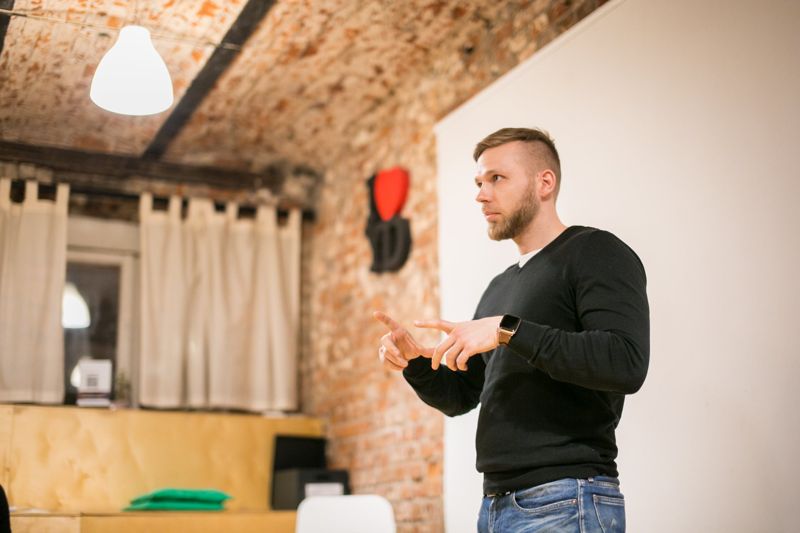
Five minutes to say it. Fifteen to hear about it.
Fifteen slides at most, and nobody reads from them.
Questions and answers after every pitch. The inconvenient questions are the useful ones.
The expert jury's pick, and the room's favourite. Certificates, goods and services from sponsors, and cash.
No experts' table. The room asks first.
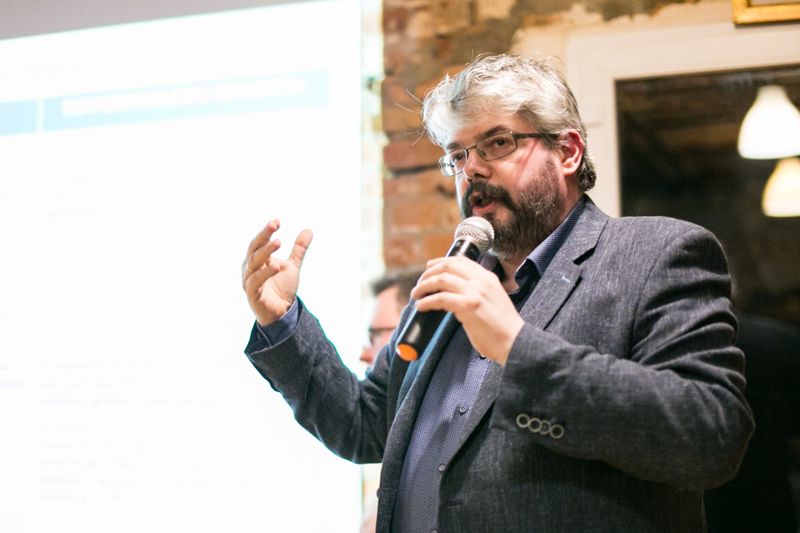
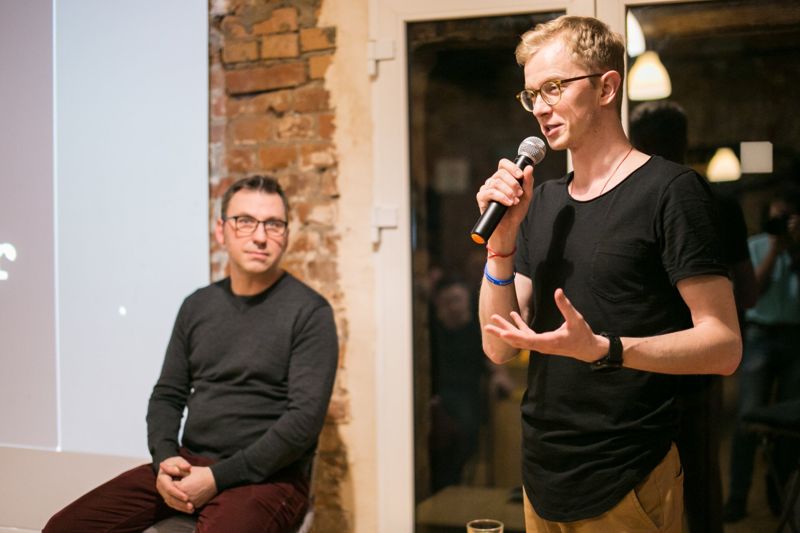
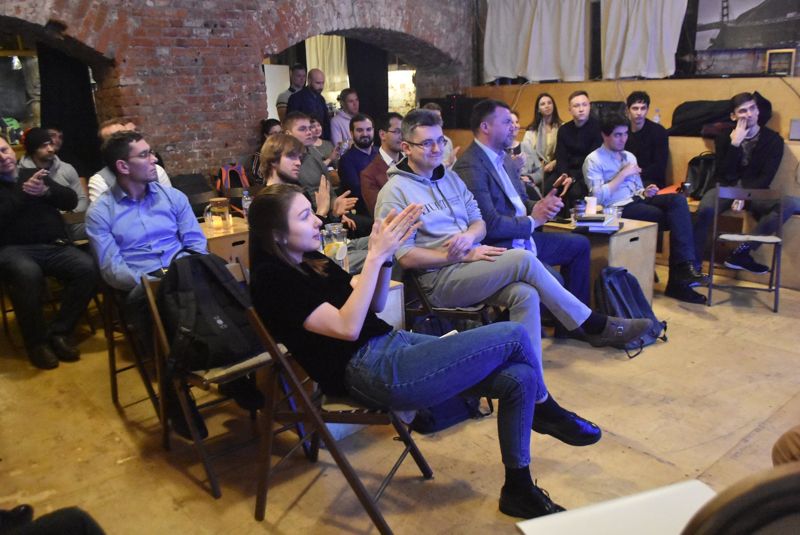
Three parties are involved: founders who present, an audience that answers back, and a moderator who keeps time and asks the first question if nobody else will. The questions come from the floor - there is no table of experts to get past first.
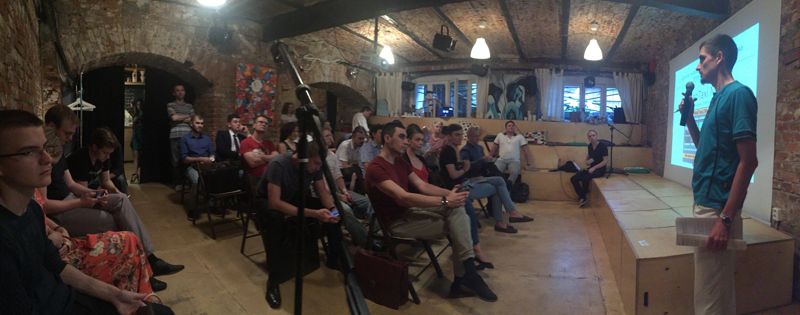
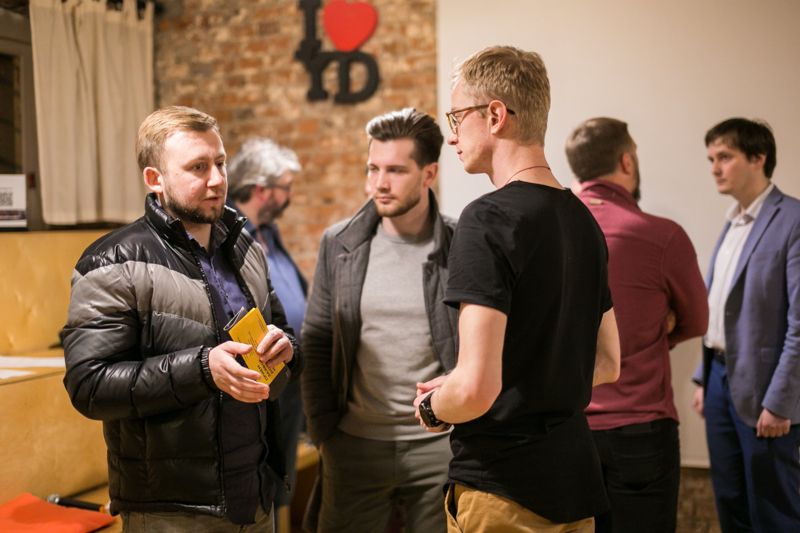
The room is mostly entrepreneurs, with programmers, marketers, designers and investors mixed in, and a few people who are only starting to look around. Some come to find a team. Some come to find out what not to build.
All the participants are equal with no regard whether you are a student or an entrepreneur with a billion dollar exit.From the Startup Crash Test project description

If you are pitching
- 01
Send the deck
A PDF, please. PowerPoint and Keynote have a way of dying on somebody else's laptop.
- 02
Join the queue
Applications are taken in order, and the evening goes to the front of the queue.
- 03
Rehearse once
Two or three days before, you run the pitch past the moderator, one to one. They watch the clock, the slides, and whether you are reading from them.
- 04
Crash
Five minutes, then fifteen from the room. Take notes. Somebody out there has already made your mistake, and is about to tell you. Two prizes at the end: the expert jury's, and the audience's.
If you are watching
Come anyway. Entry is free when the venue allows it. You get a handful of companies at the stage where everything is still fixable, and the conversation afterwards is where co-founders and first hires tend to turn up. Some evenings open with a panel on one topic.
Dates go up on the Yellow Door calendar and in the Telegram channel.
Kyiv, 2008.
There were no venture funds, accelerators or incubators in the city. People worked alone on their projects in different parts of town and never met. A group of friends went looking for a format that would bring founders and programmers out of the shade, and the first Startup Crash Test was it.
Within three years it was running monthly in four countries. It travels as a free franchise - one local partner per city, the same name, the same mark, the same rules. The Yellow Door is the Moscow partner.
Entrepreneurs for entrepreneurs.
- 2008The first Startup Crash Test, in Kyiv.
- 2015The format is written down as a free franchise guide.
- June 2016The Yellow Door signs on as Moscow's local partner and holds its first evenings.
- March 2019Crash Test #17.
The room

“Twenty minutes of that panel saved me six months of building the wrong thing.”
A crash-tested founder
Apply with a PDF deck
Volunteer your idea.
Tell us who you are and where the deck lives.